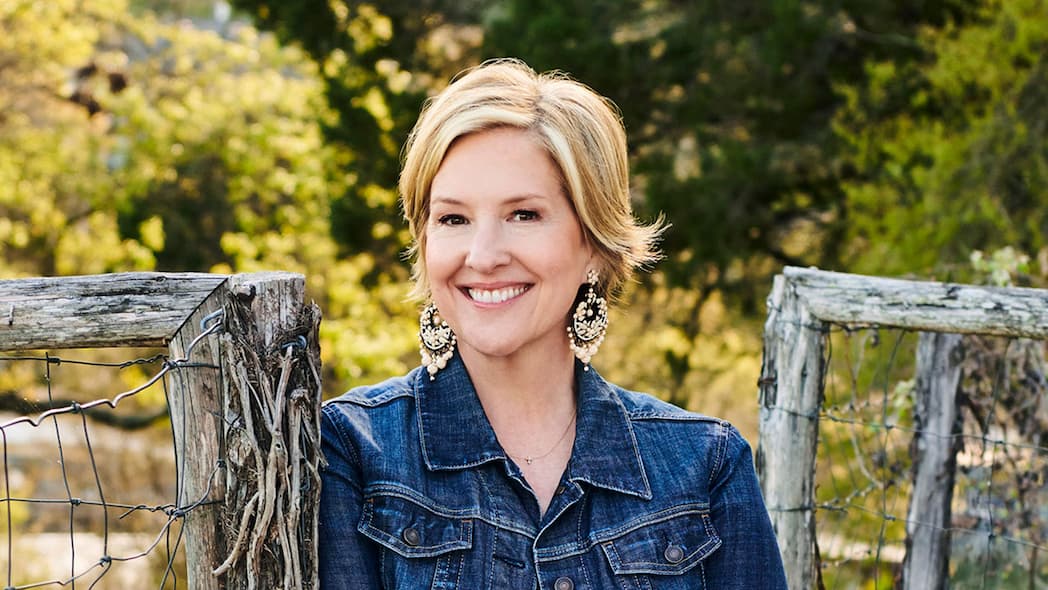
I had the opportunity to hear Brené Brown speak live on The Power of Being Enough. Her work continues to resonate deeply, particularly in the way it speaks to self-worth, shame and the courage it takes to be seen.
Much of what she shares aligns with the work I do with women navigating trauma, emotional eating and the underlying feeling of not being good enough. These patterns are rarely about behaviour alone, they are often rooted in shame, disconnection and a longing for love and belonging.
Below are some of the key takeaways, with reflections on how they relate to healing.
15 Takeaways on Vulnerability, Self-Worth and Healing
- Authenticity is a practice
Learning to be yourself is not a one-time decision, it is something we return to, especially when old patterns of self-protection arise. - We can choose courage or comfort, but not both
Moving beyond emotional eating, trauma patterns or low self-worth requires stepping into discomfort, rather than staying in familiar coping strategies. - We cannot live in the light without walking through the darkness
Healing involves turning towards what has been avoided, including pain, grief and earlier experiences. - Shame needs secrecy, silence and judgment to grow
Shame sits at the core of many struggles with food, body and self-worth. Bringing awareness and compassion to these experiences begins to loosen its hold. - Our willingness to be wholehearted is as great as our willingness to be broken-hearted
Opening to life also means opening to vulnerability, loss and uncertainty. - Vulnerability is the birthplace of everything we long for
Joy, connection, love and meaning all require vulnerability, something many women have learned to guard against. - Unused creativity can turn into grief, rage or numbness
When parts of ourselves are not expressed, this can show up in indirect ways, including emotional eating or disconnection from the body. - Fitting in is not the same as belonging
Many women learn to adapt, please or perform in order to be accepted, often losing connection to themselves in the process. - Choose belonging over fitting in
This is the work of returning to yourself, rather than shaping yourself to meet external expectations. - The mind can rehearse fear and worst-case scenarios
When feeling vulnerable, it is common to anticipate the worst. Developing awareness of this pattern can support a shift towards presence rather than fear. - We do not need to hustle for our worthiness
The belief that we need to earn our value often sits beneath low self-worth and drives patterns of overworking, perfectionism or self-criticism. - Hope involves both vision and action
It is not passive, it requires engagement and movement towards something different. - In the absence of love and belonging, there is suffering
Many coping behaviours, including emotional eating, can be understood in the context of disconnection and unmet needs. - We are living in a culture of scarcity
Messages of “not enough” are everywhere, reinforcing the belief that we are not enough as we are. - Wholehearted living includes practising gratitude
Grounding into what is here, rather than what is missing, can support a shift in perspective over time.
Bringing This Into Practice
What stands out in this work is the central role of shame, vulnerability and self-worth.
For many women, emotional eating, disordered eating and body concerns are not simply habits to change, but ways of coping with deeper feelings of not being good enough, often shaped by earlier relational or traumatic experiences.
The work is not about becoming someone else, but about reconnecting with who you are, and developing a more compassionate relationship with yourself.
If you haven’t already seen it, Brené Brown’s talk on vulnerability continues to be a powerful introduction to this work.